Summary
Over 154,000 people have already been trained, exceeding the original goal.
Support has been given to 56 new companies, and 65 home‑grown technologies have been created.
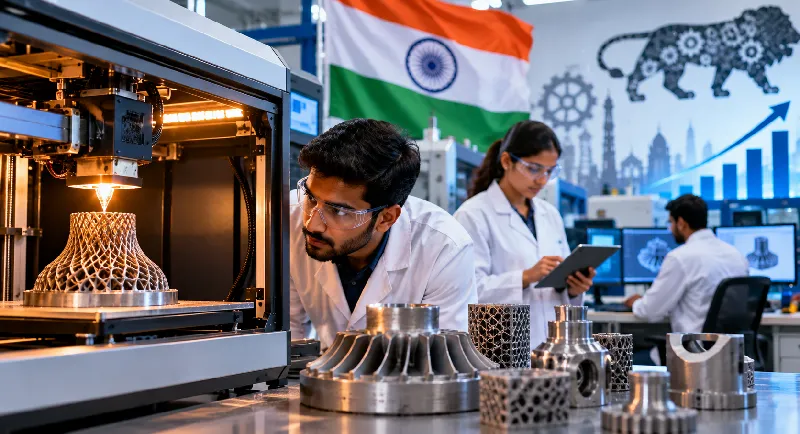
Applications include aerospace engines, army housing, medical implants, printed electronics, and fast‑building homes.
Future steps, called National Strategy for Additive Manufacturing 2.0, will focus on protecting inventions, making machines cheaper, and expanding international cooperation.