← Back
Article image
πŸ“° News ⏱ 2 min
πŸ”‘

Key Points

5 points
1

The Clean India Mission, started in 2014, aims to end open defecation and improve public sanitation.

2

Innovations include repurposing vehicles, recycling plastic, and adding smart sensors.

3

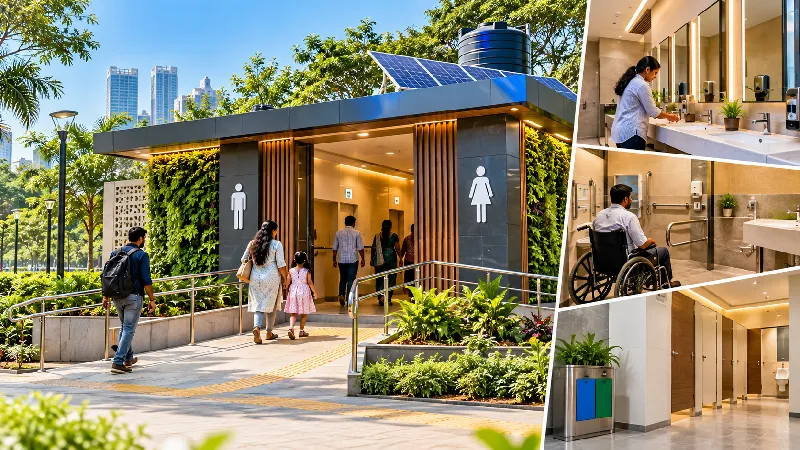
Facilities now have separate sections for men, women, children, people with disabilities, and transgender persons.

4

Technology such as sensor‑activated lights and touch‑free urinals reduces the need to touch surfaces.

5

Public‑private collaborations help fund and operate modern toilet complexes.

πŸ“–

Summary

In Bengaluru, an old bus was converted into a women‑only toilet with solar power, sensor lighting, and a sanitary‑pad vending machine.

Navi Mumbai built toilets using recycled plastic, bottle caps, keyboards and metal, showing how waste can become useful.

Bhopal introduced ‘Freshrooms’ that include touch‑free toilets, showers, Wi‑Fi, and a café, managed through a partnership between the government and private companies.

Karad created a system to collect and safely burn sanitary waste, preventing pollution and protecting health.

πŸ“˜

New Words to Learn

11 words
inclusive
designed so that all people can use it
sanitary
clean and safe for health
incinerator
a machine that burns waste at very high temperatures
sensor
a device that detects movement or light and turns things on or off
solar
using energy that comes from the sun
recycled
made again from old material
partnership
people or groups working together on a project
pollution
harmful stuff that makes air, water, or land dirty
disability
a condition that makes certain activities harder for some people
transgender
people whose gender identity is different from the sex they were assigned at birth
public‑private collaboration
when the government and private companies join forces to build or run something
πŸ”— Read Full Article β†’

Want to learn even more? Click here to read the full story!

πŸ”Š Reading Article
Kid-friendly voice
πŸ†

New Badge Unlocked!

Badge Name
Badge description