← Back
Article image
πŸ“° News ⏱ 2 min
πŸ”‘

Key Points

4 points
1

Composting at home reduces landfill waste and improves soil health.

2

Water hyacinth, though a problematic plant, is repurposed into crafts that generate at least ten thousand Indian rupees per month for women.

3

The coconut waste facility in Patna can handle up to thirty tonnes per day, producing organic compost, coir ropes, and cocopeat.

4

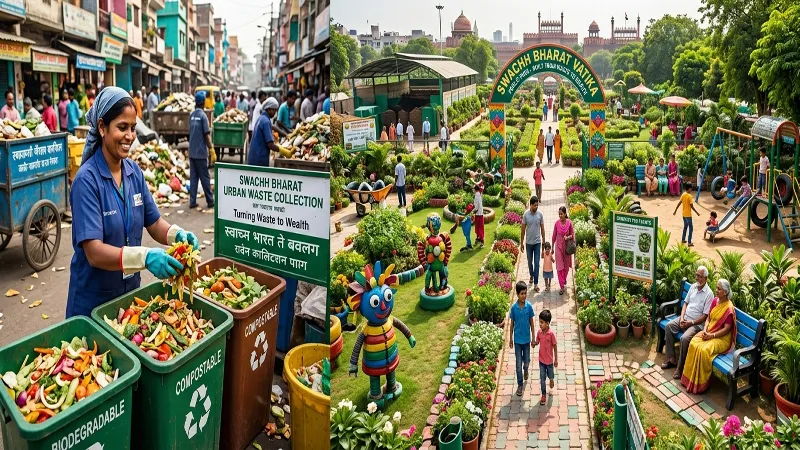
Waste‑to‑Wonder parks demonstrate how discarded materials can become educational and aesthetic public spaces while incorporating renewable energy.

πŸ“–

Summary

Women in Assam transform the invasive water hyacinth plant into marketable handicrafts, providing income.

Patna processes large amounts of coconut waste into compost, coir ropes, and cocopeat for agriculture.

Chandigarh and Delhi have created public parks using recycled metal and scrap, also adding solar power.

πŸ“˜

New Words to Learn

5 words
composting
the process of breaking down organic waste into nutrient‑rich soil
handicraft
a product made by hand, often decorative or useful
coir
fibers taken from the outer husk of a coconut, used to make rope and mats
cocopeat
a spongy material made from coconut husk, used to grow plants
renewable energy
energy that comes from sources that are naturally replenished, such as sunlight
πŸ”— Read Full Article β†’

Want to learn even more? Click here to read the full story!

πŸ”Š Reading Article
Kid-friendly voice
πŸ†

New Badge Unlocked!

Badge Name
Badge description