← Back
Article image
πŸ“° News ⏱ 2 min
πŸ”‘

Key Points

4 points
1

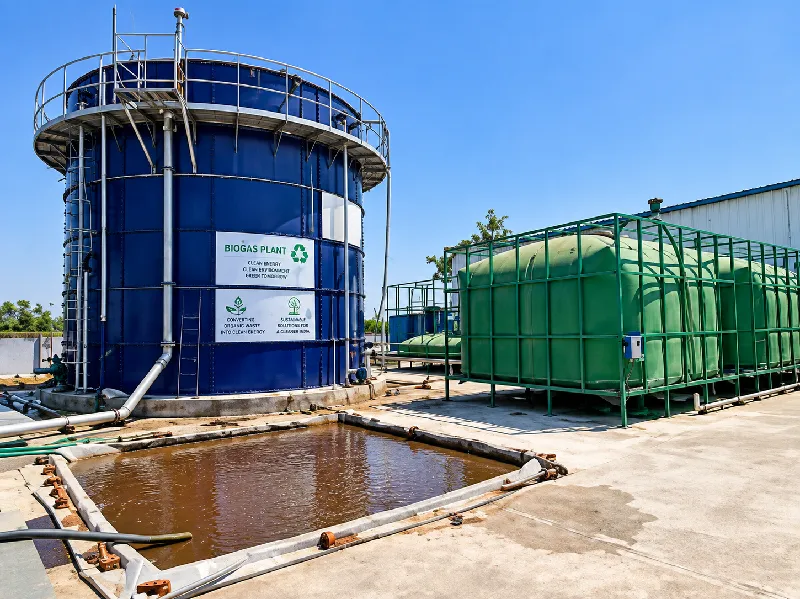
Organic waste is processed in biogas plants to create compressed bio‑gas for cooking and transport.

2

Electricity generated from waste powers market facilities, cutting energy costs.

3

The solid residue is turned into bio‑manure, a natural fertilizer for agriculture.

4

Projects generate employment and promote sustainable waste‑management skills.

πŸ“–

Summary

Biogas plants in Gandhinagar, Prayagraj, Gwalior and Hyderabad convert food leftovers, cow dung and vegetable waste into fuel, electricity and bio‑manure.

The produced bio‑gas replaces liquefied petroleum gas for cooking and powers public transport, while the electricity supplies market lighting.

These initiatives reduce carbon emissions, lower electricity bills, create local jobs and provide natural fertiliser for farmers.

πŸ“˜

New Words to Learn

6 words
organic waste
food scraps, plant material and animal droppings that can decompose
compressed bio‑gas
pressurised clean gas made from waste, used like regular gas
bio‑manure
natural fertilizer produced from the leftover part of waste after gas is made
carbon emissions
gases released into the air that contribute to global warming
public‑private partnership
a collaboration where government and private companies share a project
skill development
training people to learn new jobs
πŸ”— Read Full Article β†’

Want to learn even more? Click here to read the full story!

πŸ”Š Reading Article
Kid-friendly voice
πŸ†

New Badge Unlocked!

Badge Name
Badge description