Summary
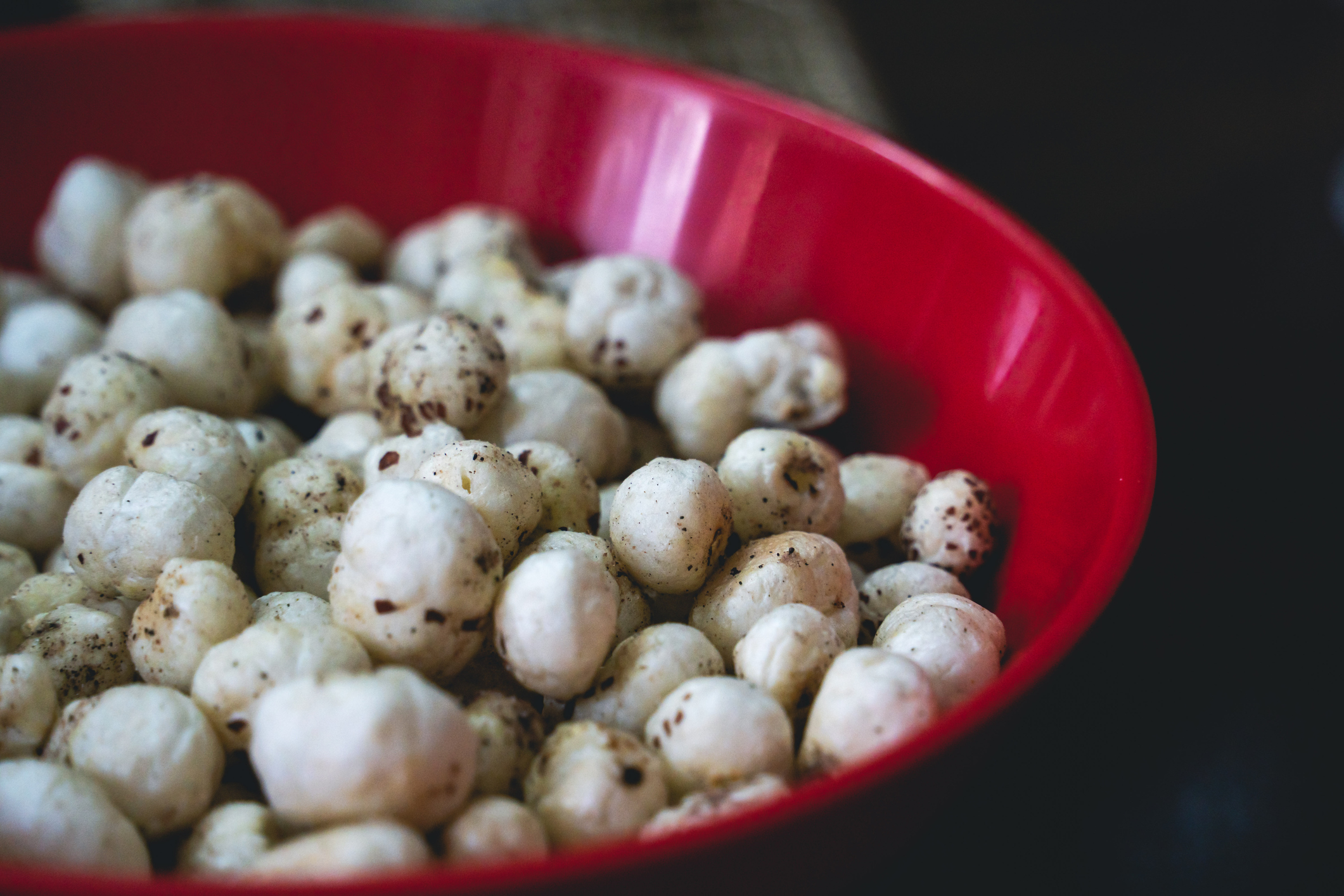
Its low‑fat, high‑protein and mineral‑rich profile matches current demand for light, plant‑based snacks.
The crop is cultivated in shallow ponds, harvested by hand, then dried, roasted and popped before reaching supermarkets.
Government initiatives such as the National Makhana Board and development schemes are boosting research, processing technology, and export potential.
While nutritious, makhana is not a superfood; it should complement a varied diet rather than replace other foods.