← Back
Article image
πŸ“° News ⏱ 2 min
πŸ”‘

Key Points

4 points
1

The atlases combine several advanced mapping techniques.

2

They trace how neurons and glia form, move, and become different kinds.

3

Multiple species are included, creating a comparative developmental guide.

4

The result is a dynamic reference that shows brain growth over time.

πŸ“–

Summary

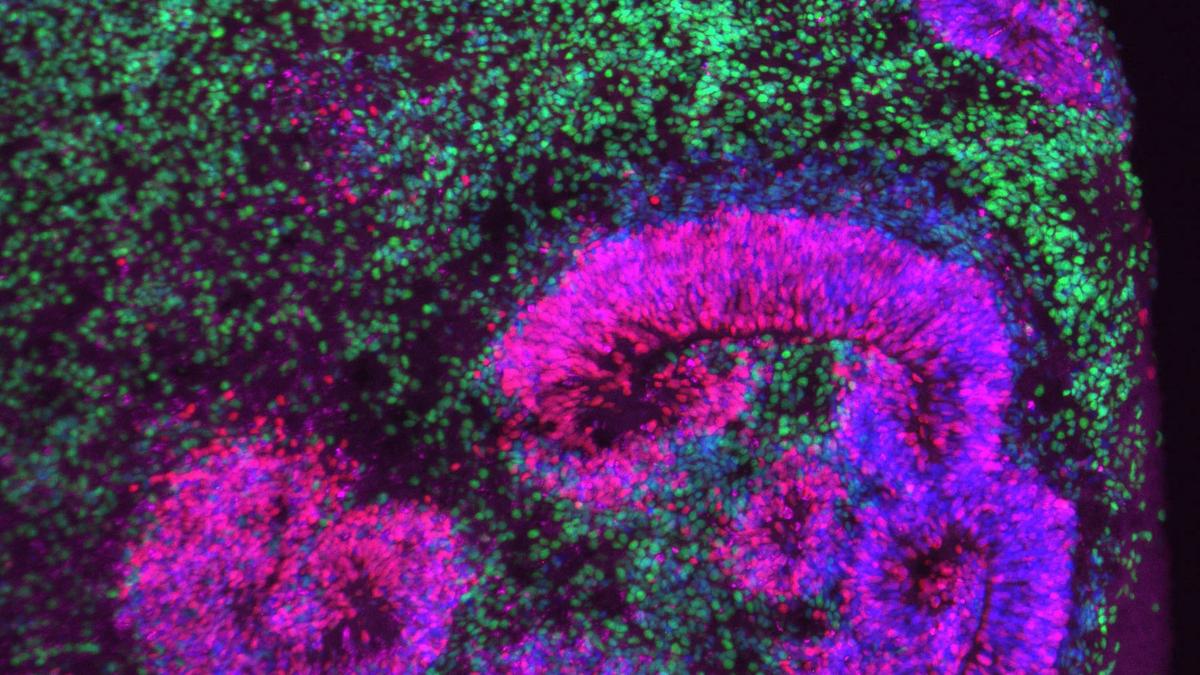
The atlases map the formation, migration, and diversification of neurons and glial cells over time.

By including data from several species, the atlases provide a dynamic reference instead of a static diagram.

This tool lets researchers study brain development as a continuous process.

πŸ“˜

New Words to Learn

8 words
neurons
tiny cells that send messages in the brain
glia
helper cells that support and protect brain cells
migrate
move from one place to another
diversify
become many different types
dynamic
changing and moving, not still
reference
a guide that you can look at for information
atlas
a detailed map, here a map of the brain
mapping
making a picture that shows where things are
πŸ”— Read Full Article β†’

Want to learn even more? Click here to read the full story!

πŸ”Š Reading Article
Kid-friendly voice
πŸ†

New Badge Unlocked!

Badge Name
Badge description