← Back
Article image
πŸ“° News ⏱ 2 min
πŸ”‘

Key Points

6 points
1

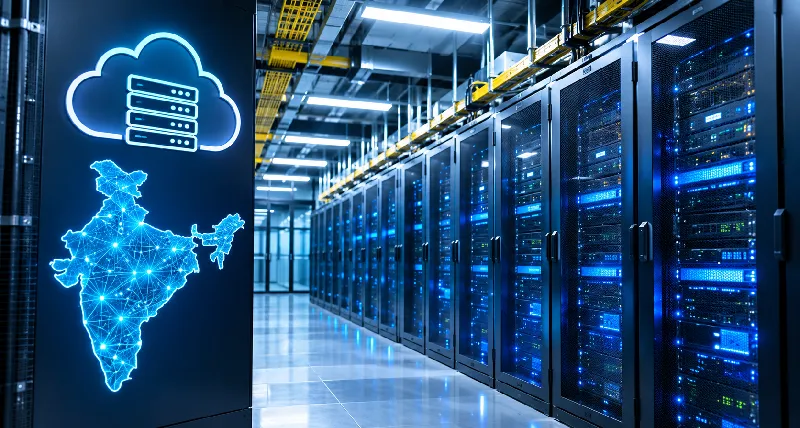
Capacity goal: ~7.5 gigawatts by March 2030 (five‑fold increase).

2

Investment outlook: >3 lakh crore Indian rupees in the next four fiscal years.

3

Key drivers: generative artificial intelligence, enterprise digitalisation, higher data consumption.

4

Long‑term contracts with hyperscalers reduce off‑take risk and provide revenue certainty.

5

Three cities—Visakhapatnam, Mumbai, Hyderabad—will host about 75% of the new capacity, stressing local power infrastructure.

6

Challenges include securing power connectivity, regulatory clearances, and managing project costs.

πŸ“–

Summary

The expansion, driven by generative artificial intelligence, enterprise digitalisation and rising data usage, could attract over 3 lakh crore Indian rupees in investment.

Long‑term contracts with large cloud providers, known as hyperscalers, are already securing about half of the future capacity.

The majority of new power demand will be concentrated in Visakhapatnam, Mumbai and Hyderabad, requiring significant upgrades to the electricity grid.

Success will depend on timely power connections, regulatory approvals and disciplined project execution.

πŸ“˜

New Words to Learn

10 words
capacity
how much a place can hold or do
gigawatts
a huge amount of electricity power
generative artificial intelligence
smart computer programs that can create new things
hyperscalers
very big companies that run many online services
renewable
energy that comes from natural sources like the sun or wind
infrastructure
the basic systems like roads and power that help things work
contract
a written agreement between people or companies
leverage
using borrowed money to help fund a project
utilisation
how much of something is being used
digitalisation
changing things to use computers and the internet
πŸ”— Read Full Article β†’

Want to learn even more? Click here to read the full story!

πŸ”Š Reading Article
Kid-friendly voice
πŸ†

New Badge Unlocked!

Badge Name
Badge description