← Back
Article image
πŸ“° News ⏱ 2 min
πŸ”‘

Key Points

4 points
1

Lake‑ending glaciers flow about 10% faster, ocean‑ending about 44% faster than land‑ending glaciers.

2

Lake‑ending glaciers lose roughly 57% more ice relative to their size compared to land‑ending glaciers.

3

The study measured a loss of 134 billion tonnes of ice per year from these glaciers.

4

Changing glacier types due to warming may increase future ice loss from lake‑ending glaciers.

πŸ“–

Summary

Despite their small number, they account for over half of the total ice loss recorded between 2000 and 2019.

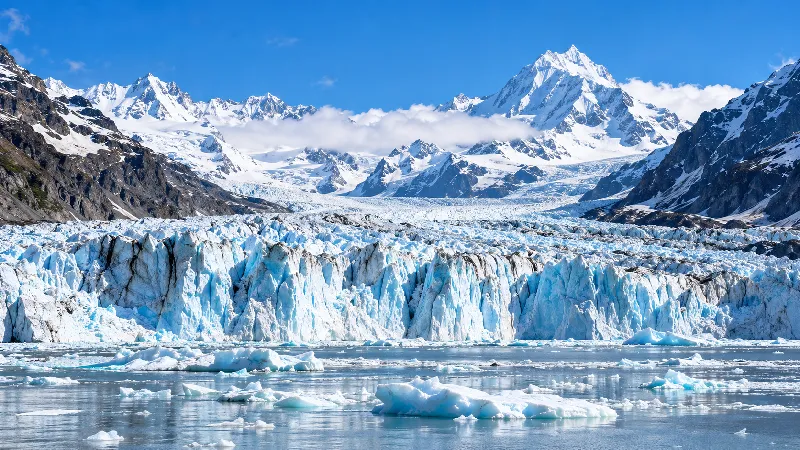
These glaciers lose ice faster because water at their fronts speeds up melting and causes iceberg calving.

Researchers suggest improving climate models to include these glacier types for better sea‑level rise predictions.

πŸ“˜

New Words to Learn

7 words
glacier
a large, slow‑moving body of ice formed from compacted snow
termini
the end points of a glacier where it meets water or land
calving
the process where chunks of ice break off a glacier into water
mass loss
the total amount of ice that disappears
sea‑level rise
the increase in the average height of the oceans
projection
a forecast based on scientific data
climate
the long‑term pattern of temperature and weather in an area
πŸ”— Read Full Article β†’

Want to learn even more? Click here to read the full story!

πŸ”Š Reading Article
Kid-friendly voice
πŸ†

New Badge Unlocked!

Badge Name
Badge description